Missing shingles after high wind
We tarp the exposed field immediately, then match your existing shingle profile from GAF, Owens Corning, CertainTeed, or IKO and replace the missing section. Most repairs are done in one day once materials arrive.
When a storm tears shingles off your roof at 2 a.m., emergency roof tarping in Florida is the difference between a wet ceiling and a dry house. We run 24/7 roof tarp service Florida crews out of Tampa, Orlando, Jacksonville, and Fort Lauderdale, and we tarp the damage before the next band of rain hits. One call, and we're on the ladder.
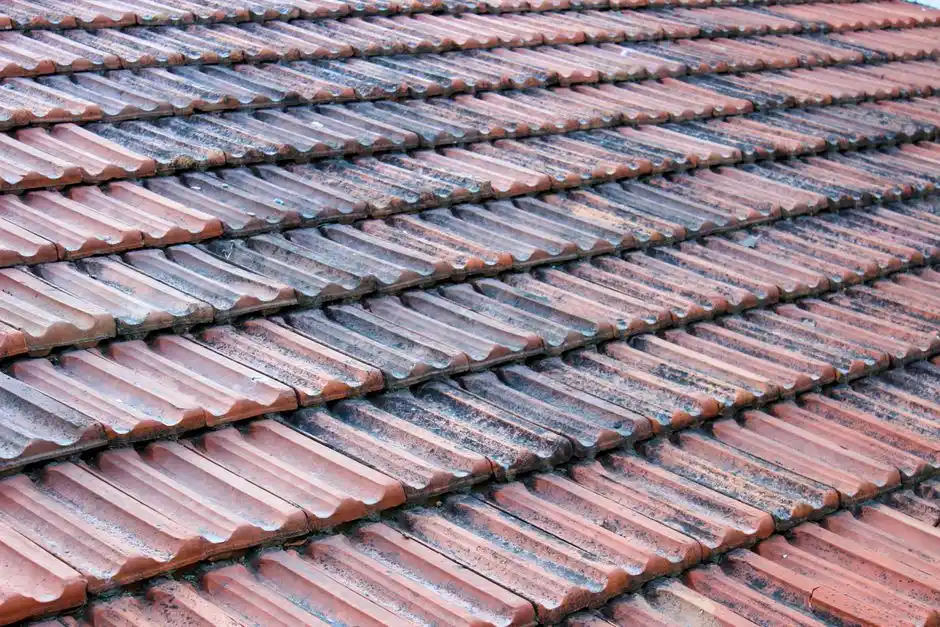
Emergency roof tarping in Florida is a temporary weatherproofing service that covers storm-damaged roof sections with reinforced tarps to stop water intrusion until permanent repairs can be scheduled. We secure the tarp over missing shingles, torn underlayment, failed flashing, or a cracked tile field, then weight and anchor it so 40 mph gusts don't peel it loose. The goal is simple: keep water out of your attic, your insulation, and your ceiling drywall tonight.
Florida roofs take a beating from June through November. After a hurricane or a fast-moving squall line, we see the same failures over and over: missing shingles on 20-year-old asphalt, pipe boot leak points on newer builds, and flat roof leak seams on TPO membrane. If you're searching for emergency roof tarping near me Florida at midnight, we answer. We've tarped everything from a single-family home in Port Richey to a 40-unit condo in Hallandale.
Every emergency roof tarping job includes the tarp, the anchors, the labor, and the documentation. We don't nickel-and-dime you on battens or cap nails. What's not included is the permanent repair, which we quote separately after the tarp is up and the roof is dry.
We use 10-mil reinforced polyethylene tarps sized to cover the damaged section plus 3 feet of overlap on every side. Anchors are cap nails and 2x4 battens on pitched roofs, weighted ballast on flat roofs. No bungee cords, no rope, no blue-tarp special.
Before we tarp, we walk the roof with an inspection camera and moisture meter. We check flashing, pipe boots, ridge caps, valleys, and skylight curbs. You get a verbal rundown on site and a written summary with the photo set the same night.
We photograph the damage from every angle, measure the affected square footage, and note the tarp size and anchor pattern. The file goes to you by text or email within a few hours. It's formatted the way Florida adjusters want to see it.
Around pipe boots, chimney flashing, and skylight curbs, we apply Henry or DAP roof cement as a secondary seal under the tarp. That extra step stops the drip that a tarp edge can't always catch, especially on steep pitches where water runs fast.
Within 48 hours, you get a written scope for the real fix with materials and pricing. It covers shingle replacement, flashing repair, underlayment, or a section tear-off. You approve it, we schedule it, and the tarp comes off the day the permanent work is done.
You call (833) 356-1017 and reach a live dispatcher, not a voicemail. We ask three things: your address, what's leaking, and whether anyone is on the roof. Within 5 minutes you get a crew ETA and a ballpark tarp price. If it's a hurricane, we put you on the route list in the order calls came in.
A two-person crew arrives, walks the roof with an inspection camera, and finds the actual entry point, not just the wet spot on your ceiling. We check flashing, pipe boots, ridge caps, and skylight curbs. This takes 10 to 15 minutes on a typical single-story home and tells us what size tarp and how many anchors we need.
We lay the tarp over the damaged section, run it up past the ridge when possible, and anchor it with cap nails and 2x4 battens so wind can't get under the edge. On flat roofs we use weighted ballast and butyl tape on the seams. Installation runs 30 to 60 minutes depending on pitch and access.
Before we come down, we photograph every angle, measure the damaged area, and note the tarp size and anchor pattern. You get the photo set by text or email the same night. That file is what your insurance adjuster wants to see, and it's what we use to scope the permanent repair.
Within 24 to 48 hours, we send a written scope for the real fix: shingle replacement, flashing repair, underlayment, or a full section tear-off. You approve it, we schedule it, and the tarp comes off the day the permanent work is done. No tarp left behind.
Purpose-built equipment, used by trained technicians — so the job is done accurately the first time.
The primary cover for damaged roof sections. We carry 20x30 and 30x40 sizes on every truck, plus smaller 10x12 tarps for chimney and skylight areas. Reinforced weave resists tearing at anchor points.
Reads moisture content in sheathing, insulation, and drywall. We use it to determine how far water has spread and whether insulation needs to come out. It's the difference between a targeted repair and a full tear-off.
Lets us see inside wall cavities, under tile fields, and behind flashing without destructive demolition. We use it on every tarp call to confirm the actual leak source, not just the wet spot on the ceiling.
Used to lift tile, remove shingles, and pull failed flashing without damaging adjacent materials. On tile roofs, the pry bar is what keeps us from cracking $30 tiles while we inspect the underlayment.
Applies Henry and DAP roof cement, Geocel, and butyl tape at penetrations and seams. We use a powered applicator on large flat roofs and a manual gun for detail work around pipe boots and skylight curbs.
OSHA-compliant fall protection on every pitched roof over 6 feet. We use extension ladders with stabilizer bars and roof anchors rated for 5,000 pounds. No one gets on a roof without a harness.
A Category 2 hurricane stripped 300 square feet of shingles off a 1,800-square-foot home. Rain was entering the attic and staining the hallway ceiling. The homeowner called at 11 p.m. with water actively dripping.
We tarped the exposed section within 2 hours and documented 300 square feet of damage. The tarp held for 5 weeks while the claim processed. We replaced the shingles and underlayment in one day, and the ceiling dried without replacement.
A 12,000-square-foot commercial TPO roof developed three open seams after 8 years of thermal cycling. Ponding water was leaking into a tenant's office and soaking 400 square feet of insulation board.
We tarped the three seam areas and cleared two clogged drains the same night. Within 10 days we heat-welded the seams and replaced the saturated insulation. The tenant's office stayed dry and no ceiling tiles needed replacement.
A 12-year-old shingle roof had a cracked pipe boot leaking into the attic. The homeowner noticed a ceiling stain and called. Moisture meter readings showed the sheathing was saturated across a 4-foot radius around the pipe.
We tarped the area within 90 minutes and pulled the wet insulation the same night. The next week we replaced the boot with a new EPDM unit and replaced 2 sheets of sheathing. The ceiling stain was painted over and no mold developed.
Most tarp calls come down to five failures. We see them every storm season, and we know exactly how to stop the water and what the permanent repair looks like.
Ask a pro →We tarp the exposed field immediately, then match your existing shingle profile from GAF, Owens Corning, CertainTeed, or IKO and replace the missing section. Most repairs are done in one day once materials arrive.
We tarp the area, then cut out the failed boot and install a new EPDM or lead boot sealed with butyl tape and caulk. It's a $200 to $400 fix that prevents a $3,000 ceiling replacement.
We tarp the seam and any ponding area, then repair the membrane with heat-welded patches or a full seam re-weld. We check the drains while we're up there so the water has somewhere to go.
We tarp the flashing line, then replace the step flashing, counter-flashing, and valley metal with code-correct materials. We seal with Geocel or Henry roof cement and test with a hose before we leave.
Typical 2026 pricing in Florida runs $350 to $1,200 for a residential tarp, depending on roof pitch, height, and damaged square footage. A simple single-story shingle roof starts around $350. A steep tile roof or a two-story home with limited ladder access pushes toward the top of that range. Flat commercial roofs are quoted per square. There's no charge for the on-site inspection.
Weatherproof Roofing Inc offers 24/7 emergency roof tarping across Florida, with crews based in Tampa, Orlando, Jacksonville, Fort Lauderdale, and Fort Myers. We're a Florida licensed roofing contractor and have been tarping roofs since 1997. Call (833) 356-1017 and a live dispatcher will give you an ETA within 5 minutes.
A properly installed tarp holds 30 to 90 days in Florida sun and wind. UV exposure breaks down the polyethylene over time, and afternoon thunderstorms work the anchors loose. We recommend scheduling the permanent repair within 30 days. If you need the tarp to stay longer because of an insurance delay, we'll come back and re-secure it at no extra charge.
Yes. We stage crews before landfall and run tarp routes as soon as winds drop below 40 mph. After a named storm, call volume spikes 10x, so you'll get a route window rather than an exact time. We prioritize active leaks, homes with elderly residents, and properties with already-sagging ceilings. Call (833) 356-1017 to get on the list.
We run emergency roof tarping across Florida from five staging hubs, covering coastal, inland, and Panhandle markets. Whether you're in a coastal condo or an inland single-family home, the same crew standards, tarp materials, and documentation apply. Here are a few of the cities we cover regularly.
 Emergency Roof Leak RepairOnce the tarp stops the water, we find the actual leak source and fix it. Most emergency roof leak repair calls start as tarp jobs and turn into flashing or underlayment work within a week. Same crew, same documentation, one invoice.Explore →
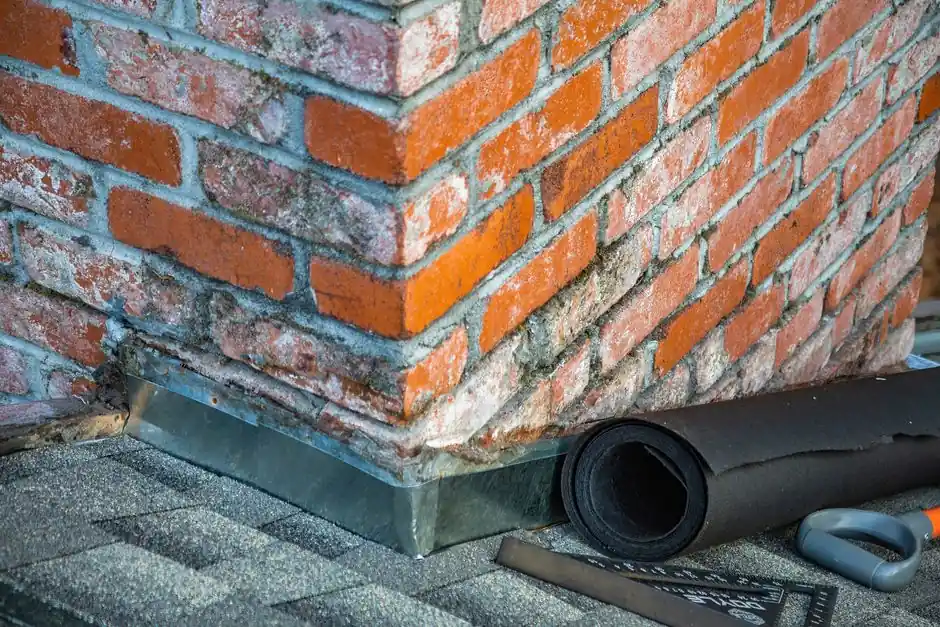 Roof Flashing RepairFlashing failure is the number one cause of leaks we see under tarps. We replace step flashing, counter-flashing, and valley metal with code-correct materials, then seal with Geocel or Henry roof cement. Usually a half-day job on a residential roof.Explore →
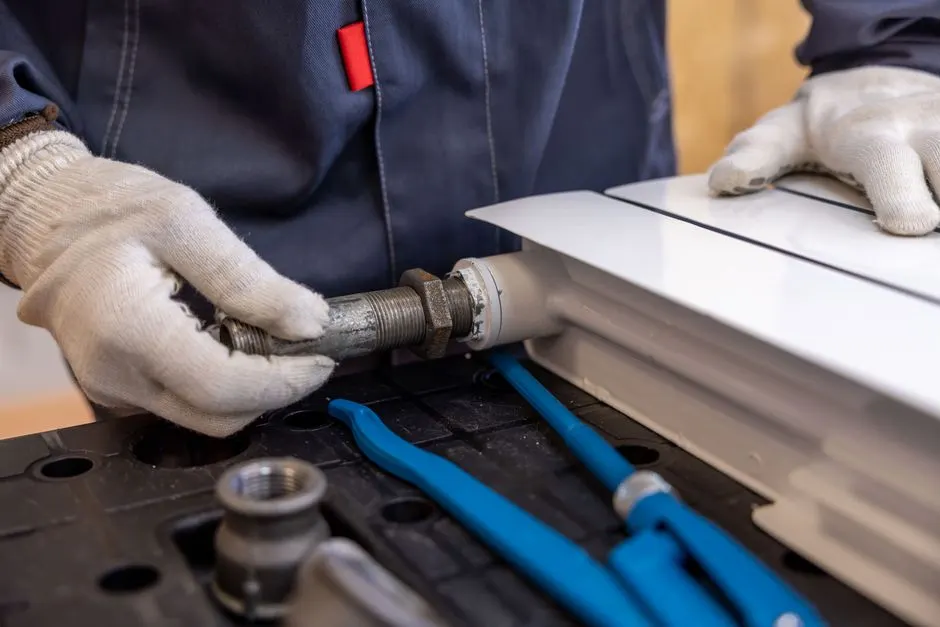 Pipe Boot RepairA cracked pipe boot leaks straight into your attic and often hides under a tarp for weeks. We cut out the failed boot, install a new EPDM or lead boot, and seal it with butyl tape and caulk. It's a $200 to $400 repair that prevents a $3,000 ceiling replacement.Explore →
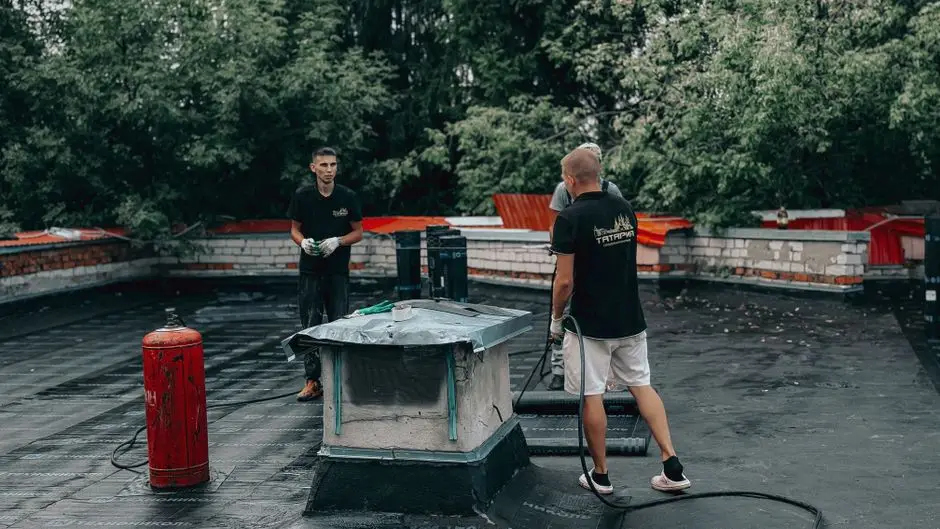 Flat Roof Leak RepairFlat and low-slope roofs leak at seams, drains, and penetrations. We locate the failure with a moisture meter and inspection camera, then repair TPO membrane or EPDM rubber with heat-welded patches. Tarping a flat roof is a temporary measure; this is the permanent fix.Explore →
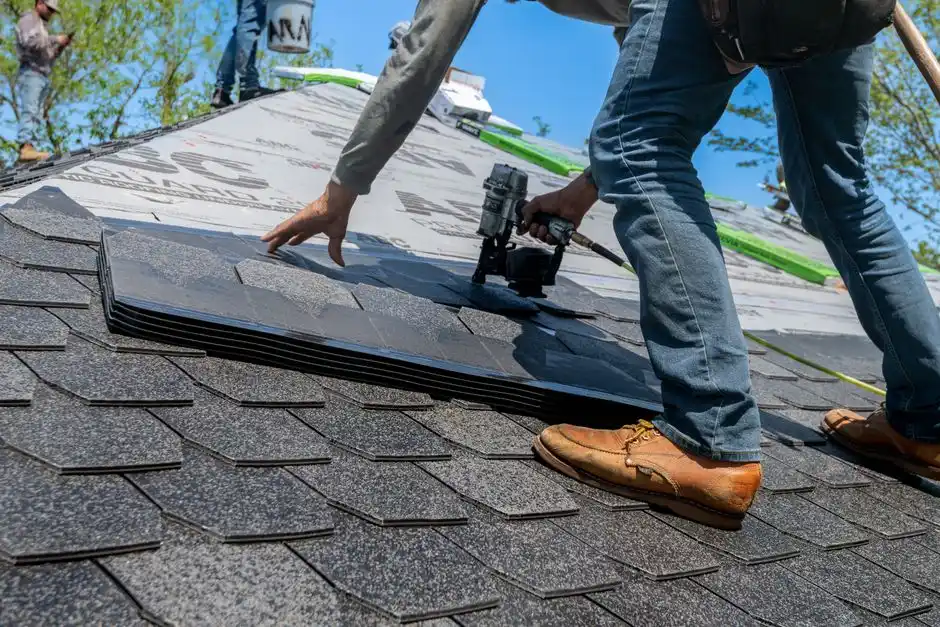 Missing Shingle Roof RepairAfter a storm, missing shingles leave underlayment exposed and the next rain goes straight through. We match your existing shingle profile from GAF, Owens Corning, CertainTeed, or IKO and replace the field, then re-nail and seal. Most repairs are done in one day.Explore →
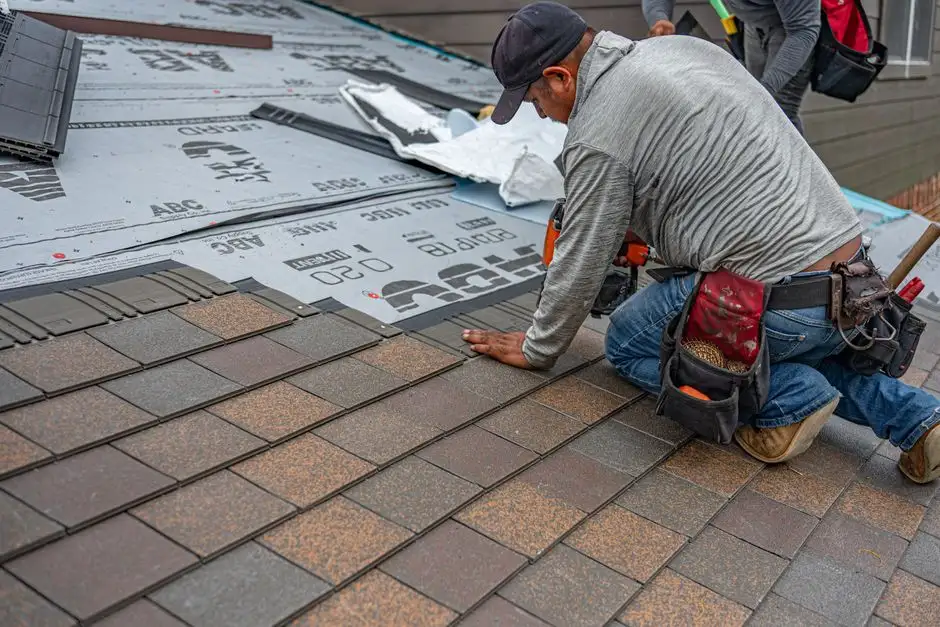 Tile Roof Leak RepairTile roofs hide leaks under the tile field, so we lift tiles, inspect the underlayment, and repair the failed section before re-laying. We use a roofing hammer and pry bar to avoid cracking adjacent tiles. Miami-Dade NOA-compliant materials on every tile repair.Explore →
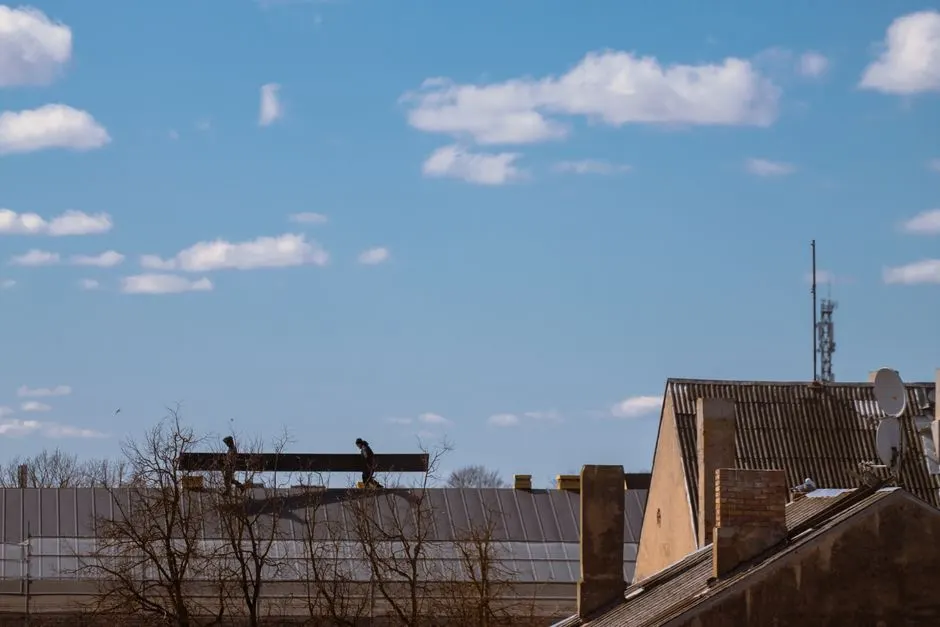 Chimney Roof Leak RepairChimney leaks come from failed counter-flashing, cracked crowns, or deteriorated masonry. We re-flash the chimney, seal the crown, and check the cricket behind it. It's a common tarp call after a hurricane because chimney flashing peels first in high wind.Explore →
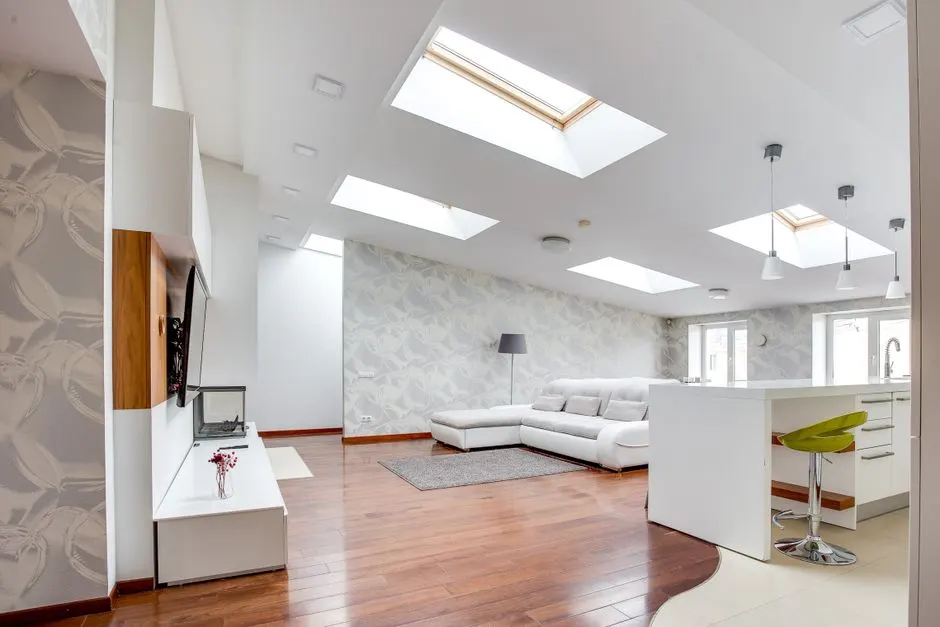 Skylight Leak RepairSkylight curbs leak at the sealant line and the flashing. We remove the old sealant, inspect the curb for rot, and re-flash with butyl tape and Geocel. If the skylight itself is cracked, we replace the unit. Most jobs take 3 to 4 hours.Explore →
We answer 24/7 and dispatch from five Florida hubs. Call (833) 356-1017 and a live dispatcher will give you an ETA in 5 minutes. Licensed, insured, and tarping Florida roofs since 1997.
Call Now (833) 356-1017 →Call us at (833) 356-1017 any time, day or night. We answer live, and for active leaks we dispatch the nearest crew immediately. You can also email [email protected] with photos of the damage and we will respond the same business day. We serve the entire state of Florida.