Florida Roof Leak Repair Laws Every Homeowner Should Know
Florida law sets real rules around roof leak repair: permits, licensing, insurance deadlines, and your rights as a homeowner. Here's what matters in 2026.
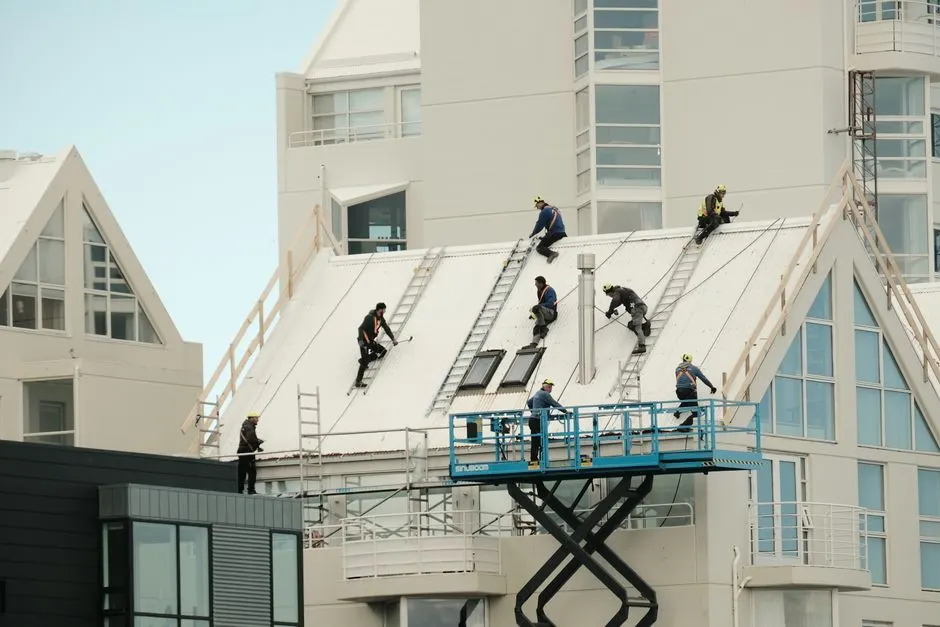
Florida law requires a licensed roofing contractor for any roof leak repair beyond basic maintenance, and most structural repairs need a local building permit. Homeowners can legally handle minor patches themselves, but repairs that touch the roof deck, flashing, or underlayment fall under the Florida Building Code and must be permitted and inspected. Insurance claims add another layer: Florida's claim deadlines and inspection requirements are strict, and missing them can cost you thousands.
We work on leaking roofs across Florida every week, and the questions we hear most are about permits, licenses, and insurance. Here's what the law actually says, in plain language.
What Florida law actually says about roof leak repair
Florida roof leak repair laws every homeowner should know are a mix of state building code, contractor licensing rules, and insurance statutes that apply to any repair on a residential roof. The Florida Building Code governs how repairs must be done. Chapter 489 of the Florida Statutes governs who is allowed to do them. And Florida's insurance code sets the clock on how long you have to file a claim after damage.
Three things trigger legal requirements on a roof leak repair in Florida: the scope of the work, the value of the repair, and whether the leak is tied to an insurance claim. A $300 patch on a shingle is different from a $4,500 flashing rebuild. The first is often exempt from permitting. The second almost never is.
If you're just trying to get the water to stop before a permanent fix, emergency roof leak repair in Florida is the right call - we tarp, seal, and document the damage so your claim stays clean.
Do I need a permit to repair my roof in Florida?
You need a permit for any roof repair in Florida that replaces more than a small section of roofing material, alters the roof structure, or touches the roof deck, underlayment, or flashing. Minor repairs - a few shingles, a bead of sealant, a pipe boot swap - usually do not require one.
Each county and municipality sets its own threshold. In most Florida jurisdictions, repairs under $500 to $1,000 in value are exempt from permitting. Anything above that, or anything that changes the roof's structural elements, requires a permit pulled by a licensed contractor.
What that means in practice:
- Shingle patch (1-3 shingles): typically no permit.
- Flashing repair around a chimney or vent: permit required in most counties.
- Underlayment replacement on a section: permit required.
- Flat roof membrane repair over 100 sq ft: permit required.
- Skylight reseal or replacement: permit required if the frame is altered.
Unpermitted roof work is a real problem at resale. Florida title searches routinely surface open permits, and buyers' inspectors flag unpermitted repairs. A $200 permit today can save a $6,000 negotiation at closing.
Florida roofing contractor license requirements
Florida requires a state-issued license for any roofing contractor performing work on residential or commercial roofs. There are two license types: a Certified Roofing Contractor (statewide) and a Registered Roofing Contractor (limited to specific counties). Both are issued through the Florida Department of Business and Professional Regulation (DBPR).
You can verify any contractor's license in about 90 seconds at the DBPR website. Look for three things: an active status, a roofing category, and a qualifying agent listed. If any of those are missing, walk away.
Florida law also requires roofing contractors to carry general liability insurance and workers' compensation coverage. Ask for a Certificate of Insurance before work starts. If a contractor won't produce one, that's not a paperwork issue - it's a liability transfer to you.
We see this constantly on tile roofs. A homeowner hires a handyman to fix a leak, the handyman cracks three tiles, and suddenly a $400 repair is a $3,800 repair. That's why we handle tile roof leak repair in Florida with licensed crews who know how to walk a tile roof without breaking it.
Can a homeowner repair their own roof in Florida?
Yes - a Florida homeowner can legally repair their own roof on a home they occupy, as long as the work doesn't require a permit and they're not doing it for compensation. The exemption is written into Florida Statute 489.103(7).
The exemption has limits. You cannot pull a permit as a homeowner for structural roof work in most counties without demonstrating competency. You cannot do work that affects the structural integrity of the roof. And you cannot hire an unlicensed person to do the work and call it "your own" - that's a third-degree misdemeanor in Florida, and the unlicensed contractor faces felony charges for repeat offenses.
Where homeowners get into trouble is underestimating the leak. Water travels. A stain on the ceiling 12 feet from the actual breach is normal. We've pulled apart "small" leaks that had been soaking the deck for two hurricane seasons.
If you're going to DIY, here's the honest short list of what's realistic:
- Replacing a cracked pipe boot (under $30 in parts).
- Sealing a small gap around a vent with roofing caulk.
- Replacing two or three lifted shingles on an asphalt roof.
Everything else - flashing rebuilds, underlayment, flat roof membranes, chimney counterflashing - needs a licensed contractor and usually a permit.
Homeowner insurance laws for roof leaks in Florida
Florida law gives you a limited window to file a roof damage claim, and it starts the moment you discover the damage - not the moment you get around to calling. Under Florida Statute 627.70132, you generally have one year from the date of loss to file a claim, and two years to supplement it. Miss those windows and the insurer can deny the claim outright.
There's a second deadline most homeowners don't know about. Once you file, you must submit a proof of loss within 60 days of the insurer's request. That document is where claims live or die.
Florida also requires insurers to give you a copy of any adjuster's report within 30 days of your request. If your claim was denied or underpaid, you have the right to that report - and you should ask for it.
One more thing: Florida law prohibits contractors from offering to "handle your claim" or waive your deductible. If a roofer tells you they'll cover your deductible, that's insurance fraud under Florida Statute 626.8796. Walk away. We document damage for your claim, but you file it - that's the clean way to do it.
If your leak is active right now, emergency roof tarping in Florida stops the water and creates a documented damage record your adjuster can work from.
What to watch out for
Most roof repair problems in Florida start with a homeowner trying to save money in the wrong place. Here's what we see most often.
- Unlicensed "roofers" after a storm. After every named storm, out-of-state crews flood Florida neighborhoods. Most are unlicensed, uninsured, and gone in 72 hours. Verify the DBPR license before anyone steps on your roof.
- Deductible waivers. Illegal in Florida. If it's offered, the contractor is either committing fraud or planning to inflate the claim.
- No permit pulled. A contractor who offers to "skip the permit to save you money" is creating a resale problem that will cost you far more than the permit.
- Repairs without a written scope. You should know what's being replaced, what's being sealed, and what's being left alone. Get it in writing before work starts.
- Waiting on a small leak. A $350 repair in October becomes a $3,200 deck replacement by January. Florida's rain doesn't stop for the dry season.
When to call a professional
Call a licensed roofer when the leak is active, when you can't find the source, when the repair touches flashing or underlayment, or when you're filing an insurance claim. Those four situations cover about 90% of the calls we run.
We handle Roof Leak Repair in Sarasota and across the state, and the pattern is always the same: the sooner we get eyes on the leak, the smaller the bill. A leak that's been running for three weeks has usually rotted the deck sheathing under it. A leak caught in the first 48 hours is often a $400 fix.
If you're not sure whether your situation needs a pro, call us and describe it. We'll tell you straight. Our team at Weatherproof Roofing Inc does this every day, and we'd rather talk you out of an unnecessary repair than sell you one you don't need.
Frequently Asked Questions
What are Florida laws for roof leak repair?
Florida law requires a licensed roofing contractor for any repair beyond minor maintenance, and most structural repairs need a local building permit. Homeowners may DIY small patches on their own occupied home under Florida Statute 489.103(7), but unpermitted or unlicensed work creates resale and insurance problems.
Do I need a permit to repair my roof in Florida?
You need a permit for repairs over roughly $500-$1,000 in value, or any repair that touches the roof deck, underlayment, or flashing. Small patches - a few shingles, a pipe boot, a bead of sealant - typically don't require one. Your county sets the exact threshold.
Can a homeowner repair their own roof in Florida?
Yes, on a home you occupy, for work that doesn't require a permit and isn't done for pay. You cannot pull structural permits as a homeowner in most counties, and you cannot hire an unlicensed person and call it DIY - that's a misdemeanor under Florida law.
How long do I have to file a roof leak insurance claim in Florida?
Generally one year from the date of loss to file, and two years to supplement the claim under Florida Statute 627.70132. You must also submit a proof of loss within 60 days of the insurer's request. Miss either deadline and the claim can be denied.
Can a Florida roofer waive my insurance deductible?
No. Florida Statute 626.8796 prohibits contractors from offering to waive, absorb, or cover your deductible. Any roofer who offers it is committing insurance fraud, and you can be pulled into the investigation. Report it and hire someone else.
Get help with Roof Leak Repair in Florida
If your roof is leaking now, we can stop the water today and give you a written scope for the permanent repair - no guesswork, no surprise line items. We handle Roof Leak Repair in Florida from emergency tarping through final inspection, and we pull every permit the law requires.
Call Weatherproof Roofing Inc at (833) 356-1017 and we'll get a licensed tech on your roof.